
You have no items in your shopping cart.
Knives
How would you like to shop?
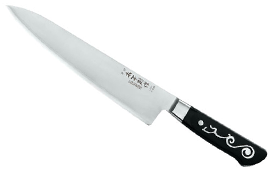
Chef's Knives
Chopping, slicing, and mincing
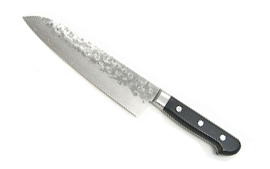
Santoku Knives
Japanese all-purpose blade
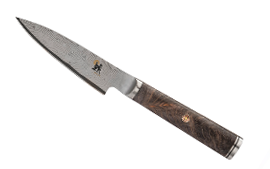
Paring Knives
Peeling and detail work
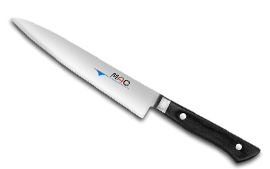
Utility Knives
Sandwiches and small produce
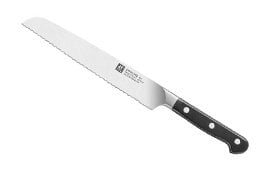
Bread Knives
Crusty loaves and soft bread
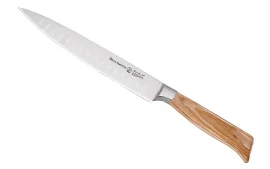
Carving and Slicing
Roasts, ham, and brisket
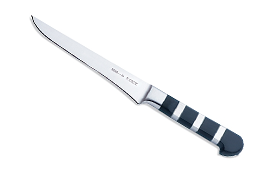
Boning Knives
Removing meat from the bone
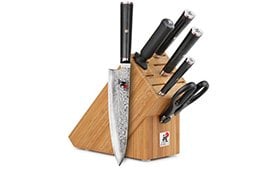
Knife Sets
Outfitting a kitchen or giving a gift
Shop All Shapes
Fillet, nakiri, yanagi, cleavers, steak, oyster, and every other shape we carry
European Makers
Professional and Commercial
Not sure where to start?
What will you cut most often?
What is your budget per knife?
Which edge style do you want?
All Knives
-

F. Dick Premier Plus 3.5-inch Paring Knife
The Premier Plus paring knife is small and sharp, made for peeling, small cutting jobs and decorating. Its 3.5-inch blade is the size cooks use in the hand for coring and trimming.Paring work happens close to the fingers, so control matters more than length. The short, forged blade stays rigid when it is pushed into a tough apple core or the stem of a tomato. F. Dick has been forging kitchen knives since the 1800s, and this small knife carries the same construction as the larger Premier Plus blades.A paring knife also finishes small tasks at the stove, such as scoring a sausage or cutting a lemon for a final squeeze. Keep one near the range so the chef’s knife stays at the board.A blue-handled version suits color-coded kitchens, and the Premier Plus 4.5-inch paring knife adds reach for grapefruit and small slicing. For tourné cuts, the Premier Plus bird’s beak peeler is the better shape. Learn More$47.45 -

F. Dick Premier Plus 3.5-inch Paring Knife, Blue Handle
Kitchens that color-code their tools can assign this blue-handled Premier Plus paring knife to a single station or food group. Each kitchen sets its own color assignments. The blade matches the standard black-handled version.A paring knife is the tool for peeling, trimming and small, precise cuts made in the hand. The 3.5-inch forged blade is rigid and keen, and the gap-free handle cleans easily between tasks. Keeping a separate colored knife for one food group helps prevent cross-contamination on a busy line.A dedicated paring knife at a fish station handles trimming fins and cutting lemons. Keeping it apart from tools used on raw meat or produce makes a color-coding plan easier to follow, and a bright handle is easy to spot when it is set down.If color does not matter, the standard Premier Plus 3.5-inch paring knife is the same knife. The Premier Plus 7-inch flexible fillet knife with blue handle and the blue Premier Plus kitchen fork complete a blue station. Learn More$47.45 -

F. Dick Premier Plus 4.5-inch Paring Knife
An extra inch over the standard paring knife lets this 4.5-inch Premier Plus model do the same peeling and trimming jobs plus some utility work, such as mincing a shallot or cutting fully through a grapefruit.The longer blade reaches across a lemon or a small onion in one stroke, which a 3.5-inch knife cannot. It is still small enough to use in the hand. A full bolster gives the knife good balance, and the edge hones easily on an F. Dick steel and sharpens well on stones.It is also a comfortable size for cooks who find a standard paring knife too small for their hands. The longer handle-to-tip reach gives more leverage when cutting through a firm apple or quince.For close in-hand work, the Premier Plus 3.5-inch paring knife is quicker. Larger fruit and small cuts of meat suit the Premier Plus 6-inch utility knife, and tomatoes are easiest with the 5-inch tomato knife. Learn More$50.70 -

F. Dick Premier Plus 6-inch Chef’s Knife
Cooks who value agility pick a 6-inch chef’s knife, and this Premier Plus model gives close control for mincing herbs, cutting julienne strips and dicing vegetables. The shorter blade is quick in the hand and easy to steer.It suits a small kitchen or a small board, and cooks with smaller hands find it more comfortable than an 8-inch blade. The tip sits closer to the hand, which helps with fine work such as removing seeds from peppers or scoring meat. The edge holds well and hones back quickly.A 6-inch blade also travels well in a knife roll and fits a small drawer. Cooks who prep in a tight space find it easier to move around a crowded counter. It is also a good first knife for a teenager learning to cook.For larger produce and longer cuts, the Premier Plus 8-inch chef’s knife is the all-round size. The Premier Plus 5.5-inch granton edge santoku is an alternative for push cuts, and the 6-inch utility knife is narrower at the same length. Learn More$82.55 -

F. Dick Premier Plus 8-inch Chef’s Knife
Cooks reach for an 8-inch chef’s knife for almost every task in the kitchen, so comfort over long periods matters as much as the edge. The Premier Plus 8-inch is well balanced, and that balance is what you notice first when you use it for an hour of prep. In our view, no better chef’s knife is made in Germany than the Premier Plus.The bolster is smoothed where the thumb and forefinger rest, so a choke grip on the blade stays comfortable. The curved edge rocks through herbs and onions, and the tip handles finer work such as scoring and trimming. The steel gives a lasting edge and still hones back quickly on a steel.It is also the knife to choose first when building a kit.For cooks with smaller hands, the Premier Plus 6-inch chef’s knife is easier to control, and taller cooks may prefer the 9-inch or 10-inch versions. The 1905 8-inch chef’s knife has a classic ringed handle at the same length. Our knife shapes guide covers chef’s knives. Learn More$97.50 -

F. Dick Premier Plus 9-inch Chef’s Knife
A taller cook may find a 9-inch chef’s knife more comfortable than an 8-inch one, since the longer blade matches the reach of the arm and puts the handle in a more natural position. This Premier Plus model gives that extra inch with the same balance as its shorter sibling.The added length slices through a large onion or a melon in one stroke and gives longer, smoother cuts on roasts. The knife responds well to a honing rod, and its well-tapered edge is easy to resharpen on stones, so it stays practical for daily use in a busy kitchen.It is also a good choice for cooks who find an 8-inch knife a little short when slicing roasts or large fish fillets.If a 9-inch blade feels long, the Premier Plus 8-inch chef’s knife is the standard size. The 10-inch and 12-inch versions add more reach for volume prep. The comparison table below shows the full range. Learn More$110.50 -

F. Dick Premier Plus 10-inch Chef’s Knife
A bigger blade fits more food under it, which makes large prep jobs go faster, and the Premier Plus 10-inch chef’s knife suits a taller cook or anyone cutting in volume. It handles a case of carrots or a crate of onions in fewer strokes.Long chef’s knives can feel blade-heavy, and F. Dick balances this one so it does not tire the wrist. The length reaches across a large cabbage or a whole squash, and the curve still lets the cook rock through herbs. The edge holds up through heavy use and hones back quickly.The 10-inch length also gives clean, single-stroke slices through a roast or a whole fish fillet. On a busy line, it moves a case of produce in less time.The Premier Plus 9-inch chef’s knife is a step down in length, and the 12-inch handles the largest jobs, including portioning beef. The 1905 10-inch chef’s knife is the same length with the classic ringed handle. Learn More$116.35 -

F. Dick Premier Plus 12-inch Chef’s Knife
Long and broad, this 12-inch Premier Plus chef’s knife is meant for serious cutting, and its long, tapered edge is excellent for cutting and portioning beef. It also breaks down large produce such as watermelon and pumpkin.A knife this large could feel heavy at the tip, and F. Dick balances the handle and blade so it stays comfortable. The length lets a single stroke cross a whole roast or a large brisket. The steel resists corrosion through long service in a busy kitchen.In a restaurant that cuts its own steaks or a home kitchen that breaks down whole roasts, this length saves time. It reaches across a whole strip loin or a large brisket in a single pass.A 12-inch blade calls for a steel at least as long, such as the F. Dick 12-inch round regular cut steel. For everyday prep, the Premier Plus 10-inch chef’s knife is easier to handle. Butchers portioning steaks may also compare the ErgoGrip 12-inch scimitar. Learn More$170.95 -

F. Dick Eurasia 3.5-inch Paring Knife
Peeling small fruits, trimming vegetables and other in-hand tasks away from the board are the work of this 3.5-inch Eurasia paring knife. Its slimmer profile gives pinpoint control.The partial bolster lets the cook use the blade from tip to heel, and the knife lies flat for easier, more complete sharpening. That makes a difference on a small knife, where every bit of edge counts. The forged blade is rigid for coring tomatoes and hulling strawberries.The short blade keeps the tip close to the fingers for control when peeling an apple or turning a potato. It also deveins shrimp and scores the skin of a tomato before blanching. For garnish work, the slim profile carves radish roses and citrus twists cleanly.For more reach, the Eurasia 4.5-inch paring knife handles citrus and avocado. A curved bird’s beak for tourné cuts is the Superior 2.5-inch bird’s beak knife. See our knife shapes guide for paring knife shapes. Learn More$41.60 -

F. Dick Eurasia 8-inch Gyuto
The Eurasia gyuto borrows the shape of a Japanese chef’s knife and adds a slimmer profile, good knuckle clearance and no full bolster. It is an all-purpose kitchen knife for cooks who like a pinch grip.Without a heavy bolster, the hand can choke up on the blade for control, and the full edge reaches the board and sharpens evenly from heel to tip. The tapered edge is easy to hone and resharpen on a stone or a ceramic rod. The handle is sealed to the blade with no gap that could open with use.For a cook moving from a heavier forged chef’s knife, it feels lighter at the front and quicker on the board.A shorter, nimbler version is the Eurasia 7-inch gyuto. For a conventional chef’s knife, the Premier Plus 8-inch chef’s knife has a heavier blade. Our kitchen knife shapes guide compares gyuto and chef’s knives. Learn More$91.00

