
You have no items in your shopping cart.
Knives
How would you like to shop?
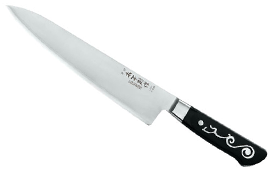
Chef's Knives
Chopping, slicing, and mincing
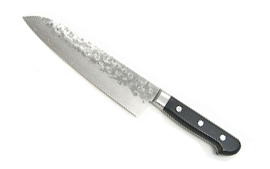
Santoku Knives
Japanese all-purpose blade
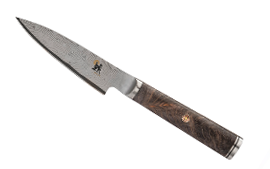
Paring Knives
Peeling and detail work
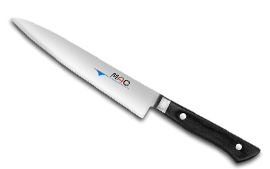
Utility Knives
Sandwiches and small produce
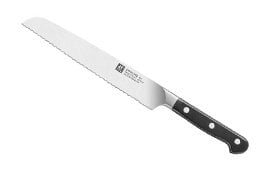
Bread Knives
Crusty loaves and soft bread
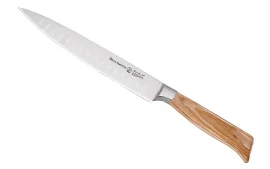
Carving and Slicing
Roasts, ham, and brisket
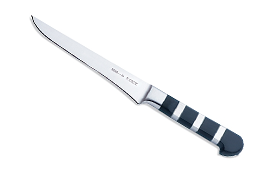
Boning Knives
Removing meat from the bone
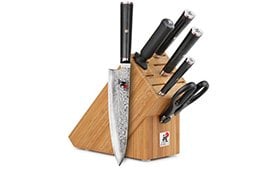
Knife Sets
Outfitting a kitchen or giving a gift
Shop All Shapes
Fillet, nakiri, yanagi, cleavers, steak, oyster, and every other shape we carry
European Makers
Professional and Commercial
Not sure where to start?
What will you cut most often?
What is your budget per knife?
Which edge style do you want?
All Knives
-

Miyabi Birchwood SG2 6-inch Chef’s Knife
Six inches is the size for cooks with smaller hands, small boards or a crowded counter, and this Birchwood chef’s knife keeps the full gyutoh profile in a compact blade. It handles a shallot, a chicken breast or a bunch of herbs with close control at the tip.The SG2 core holds a refined edge through repeated small tasks, and the birch handle is the same size as on the longer knives, so the knife feels sturdier than its blade length suggests. It also works as a second knife beside an 8 or 9.5-inch chef’s knife.For a longer blade, see the Birchwood 8-inch. The Birchwood santoku is the Japanese alternative for vegetables. Our guide to knife shapes describes the chef’s knife and its shorter variants. Learn More$304.95 -

Zwilling Pro 6-inch Utility Knife
A 6-inch utility knife is thin, light and sharp, with a narrow straight edge for jobs between a paring knife and a chef’s knife: slicing a sandwich, portioning cheese, trimming a pork tenderloin and peeling and sectioning citrus.The narrow blade turns easily around citrus peel and melon rind, and the length crosses a tomato or an onion in one stroke. The Pro curved bolster gives the same pinch grip as the larger knives, which keeps thin slices even.A utility knife this length is also the right tool for slicing a baguette sandwich or a block of cheddar, where a chef’s knife is too tall to steer and a paring knife too short to cross the food.For a taller blade that clears the knuckles on the board, see the Pro 5.25-inch prep knife; for a serrated edge, the Pro 5-inch serrated utility knife. Our knife shapes guide explains utility knives. Learn More$114.95 -

Zwilling Spectrum 5-inch Serrated Utility Knife
Tomatoes, peaches, bagels and salami share a problem: a tough or slick outside over a soft inside. The Zwilling Spectrum 5-inch serrated utility knife starts the cut with its scalloped teeth, so a tomato slice stays round and a bagel stays airy.It is also the knife for lemons and limes at the bar, small dinner rolls and cured sausage that slides under a straight edge. The textured Jute Micarta handle stays secure through acidic, juicy work.The serrations stay functionally sharp much longer than a straight edge on the same foods, so the knife needs little maintenance.For straight-edged trimming, see the Spectrum 6.5-inch utility knife. For whole loaves, use the Spectrum 8-inch bread knife. Learn More$144.95 -

Zwilling Spectrum 5.5-inch Prep Knife
The Zwilling Spectrum 5.5-inch prep knife bridges the gap between a paring knife and a full-size chef’s knife. It is the size for mincing a shallot, slicing herbs or cutting a lemon, jobs where precision matters more than reach.Its taller blade clears the knuckles on the board, and the acute Spectrum edge makes clean cuts through delicate herbs without bruising them. The stainless steel end cap balances the full tang, so the short knife feels stable rather than tip-light.It also works as a compact main knife in a small kitchen, saving the chef’s knife for larger batches.For in-hand paring, see the Spectrum 4-inch paring knife; for larger jobs, the Spectrum 8-inch chef’s knife. Learn More$169.95 -

Zwilling Four Star 5-inch Utility Knife
The Zwilling Four Star 5-inch utility knife is a precision blade for the jobs a paring knife cannot quite reach: slicing a lemon, trimming fat from a chop, portioning cheese and cutting fruit for a snack. Its narrow blade and pointed tip make clean, controlled cuts on the board and in the hand.Compared with a paring knife, it handles mid-sized ingredients in fewer strokes. Compared with a chef’s knife, it is easier to steer around a bone or a citrus membrane. The molded handle and bolster keep the grip secure.Its length also crosses a small sandwich or a block of cheese in one stroke, which a paring knife cannot do.For a serrated edge at the same size, see the Four Star 5-inch serrated utility knife. For a taller blade that clears the knuckles, the Four Star 5.5-inch prep knife. Learn More$74.95 -

Wüsthof Classic 6-inch Chef's Knife
A 6-inch chef’s knife does the work of a full-size chef’s knife on a smaller scale, and the Wüsthof Classic 6-inch suits cooks with small hands or small cutting boards. It dices an onion and trims a chicken breast with less blade to manage than an 8-inch knife.A full bolster at the heel balances the short blade against the handle and keeps your fingers clear of the edge. The shorter blade is quicker to maneuver around the board and easier to tuck into a drawer or a travel roll for a vacation rental.When customers ask us which size to buy, we start with the board and the cook. If the 8-inch feels long in your hand, or you cook mostly for one or two, the 6-inch is the comfortable choice. The 6-inch lacks the height and weight to chop through heavy root vegetables or large cuts of meat; for those jobs and for larger batches, move up to the Classic 8-inch chef’s knife or a 10-inch. The Classic Ikon 6-inch puts this length on a contoured handle with a half bolster, which makes the full edge easy to sharpen. Compare blade shapes in our guide to kitchen knife shapes. Learn More$134.95 -

Wüsthof Classic 4.5-inch Utility Knife
Wüsthof calls this knife a utility knife, and the name fits its job. The Classic 4.5-inch fills the space between a paring knife and a chef’s knife, with a blade long enough to slice a tomato or cut a block of cheese, and narrow enough to trim a pork tenderloin or peel a mango.Some cooks know this size as a petty knife, the Japanese term for a small all-purpose blade. It is a sensible second knife for a kitchen that already has an 8-inch chef’s knife, since it handles the small jobs that make a big knife feel clumsy. It also trims meat, deveins shrimp, removes small bones from seafood, sections citrus and makes quick work of lunches and snacks. For a cook who wants to keep the collection small, it is a good two-for-one.Classic is the original Wüsthof line, with the widest variety of shapes and styles. For longer slicing, see the Classic 6-inch utility knife; for a wider blade that also chops herbs and garlic, the Classic 4.5-inch Asian utility knife. The Classic Ikon 4.5-inch utility knife has this length on the contoured Ikon handle. See our Kitchen Knife Shapes guide for more on utility knives. Learn More$94.95 -

Wüsthof Classic 6-inch Utility Knife
A 6-inch utility knife is the knife many cooks grab for lunch-hour jobs. The Wüsthof Classic 6-inch slices a sandwich in half, cuts cheese and salami for a board, trims the silver skin from a pork tenderloin and slices a few tomatoes, all without reaching for the chef’s knife. Many cooks call a knife of this size a petty knife.The blade is an inch wide, narrow enough to follow the contour of a melon rind or a cut of meat and long enough to halve a large onion. Its straight edge gives clean cuts on firm foods; for crusty bread and ripe tomatoes, a serrated edge grips better.On the Classic handle, it feels steady whether you are slicing on the board or trimming over a bowl. For a smaller blade, see the Classic 4.5-inch utility knife. The Classic 5-inch serrated utility knife handles bagels and tomatoes. The Classic Ikon 6-inch utility knife puts this blade on the contoured Ikon handle. Utility knives are covered in our knife shapes guide. Learn More$114.95 -

Wüsthof Classic 5-inch Boning Knife
A boning knife needs a narrow, pointed blade that slips between meat and bone, and the Wüsthof Classic 5-inch boning knife is sized for home kitchens. It separates chicken thighs from the bone and takes the bone out of a leg of lamb.The short blade keeps the point under control as you work around joints, and the pointed tip pierces connective tissue to start each cut. Wüsthof lists its uses as removing bones and skinning, along with trimming tendons and fat. Let the tip and edge ride along the bone; chopping through bone is a job for a cleaver.For longer cuts, such as boning a whole ham or a turkey breast, the Classic 6-inch flexible boning knife gives more reach and bends to follow the bone. For fish, see the Classic Ikon 7-inch flexible fillet knife. The Classic Ikon 5-inch boning knife carries this blade on a Classic Ikon handle. Our Kitchen Knife Shapes guide explains boning and fillet knives. Learn More$114.95 -

Wüsthof Classic 6-inch Flexible Boning Knife
Wüsthof’s Classic 6-inch flexible boning knife has a longer, thinner blade than the 5-inch boning knife, and it bends a little under pressure. That flex lets the edge follow the curve of a rib cage or a turkey breastbone so less meat stays behind, and the extra inch gives a long, smooth stroke when skinning a pork loin.It is a good choice for whole chickens and turkeys, for trimming brisket and for removing the skin from salmon fillets. The narrow tip works into joints to separate them without chopping. As with any boning knife, let the edge ride along the bone and leave chopping to a cleaver.Customers deciding between this knife and the Classic 5-inch boning knife can consider the work. The 5-inch is easier to control around small joints; this 6-inch covers larger cuts. For dedicated fish work, the Classic Ikon 7-inch flexible fillet knife is longer and thinner still. See our guide to knife shapes for more on boning knives. Learn More$119.95

