
You have no items in your shopping cart.
Knives
How would you like to shop?
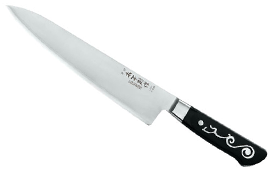
Chef's Knives
Chopping, slicing, and mincing
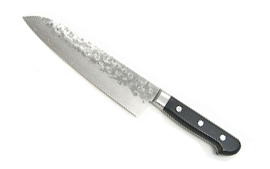
Santoku Knives
Japanese all-purpose blade
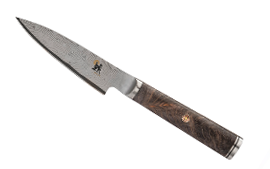
Paring Knives
Peeling and detail work
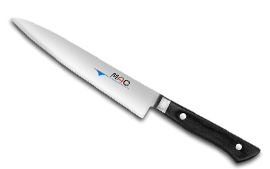
Utility Knives
Sandwiches and small produce
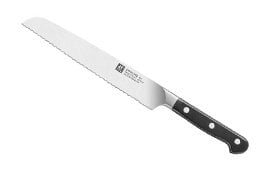
Bread Knives
Crusty loaves and soft bread
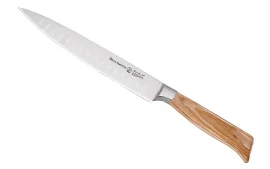
Carving and Slicing
Roasts, ham, and brisket
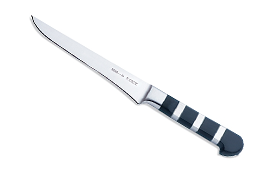
Boning Knives
Removing meat from the bone
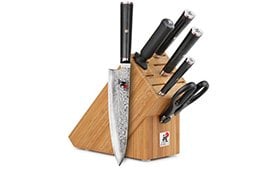
Knife Sets
Outfitting a kitchen or giving a gift
Shop All Shapes
Fillet, nakiri, yanagi, cleavers, steak, oyster, and every other shape we carry
European Makers
Professional and Commercial
Not sure where to start?
What will you cut most often?
What is your budget per knife?
Which edge style do you want?
All Knives
-

Minonokuni Aogami Black 8.3-inch (210mm) Gyuto
A 210mm gyuto covers nearly every task in a home kitchen, from slicing a roast to dicing onions, and the Aogami Black version adds a blue steel edge with the rustic look of a kurouchi forge finish. It is the middle size of the Aogami Black gyuto, part of the series also called Homura Kuro.The edge is hand-sharpened on a double bevel and works equally well in either hand. Its gentle curve supports rock-chopping herbs, while the flatter heel handles push cuts through carrots and celery.
Before ChoosingBlue steel takes a very fine edge and keeps it, but it is hard and delicate, and a fully carbon blade with an iron jacket needs prompt drying after use. For a cook new to carbon steel, the stainless-clad Homura 210mm gyuto is the easier first step. The Aogami Damascus 210mm gyuto adds a Damascus pattern, and the Raku 210mm gyuto uses Aogami Super.The Aogami Black 180mm gyuto is more compact, and the Aogami Black 240mm gyuto adds reach. Our kitchen knife shapes guide compares the gyuto with the santoku. Learn More -

Minonokuni Aogami Black 9.4-inch (240mm) Gyuto
When a shift means processing a large quantity of protein or a mountain of mirepoix, a 240mm gyuto is the tool, and the Aogami Black version, called Homura Kuro, is built for that work. The length slices large cuts of meat in a single stroke and clears a full board of vegetables quickly.The black kurouchi finish is the blacksmith’s forge scale, left on the upper blade for a rustic, non-glare look. Below it, the polished bevel exposes the blue steel edge. The balance suits a pinch grip at the bolster, which makes a long blade feel more nimble than its size suggests.
Is It the Right 240mm?Blue steel holds its edge through long prep, but it is brittle, and the thin edge will chip on bones, frozen food or hard squash. The Aogami Black suits a cook who has learned basic sharpening. For the same length with a stainless jacket and less upkeep, see the Homura 240mm gyuto. The Aogami Damascus 240mm gyuto and Raku 240mm gyuto are the other blue steel options.Shorter Aogami Black gyuto are the 210mm and 180mm. Read more about the gyuto in the knife shapes guide. Learn More$265.00 -

Minonokuni Aogami Black 6.7-inch (170mm) Nakiri
The Aogami Black 170mm nakiri is a traditional vegetable knife made for push cutting. Its flat edge and squared tip chop vegetables cleanly without rocking, and the thin grind passes through dense roots and delicate herbs with little resistance.The dark kurouchi finish gives the knife a distinctive, hand-forged appearance, and the double-bevel edge is sharpened by hand. Because the edge is symmetrical, the nakiri cuts straight in either hand and is easier to learn than a single-bevel usuba.
Choosing a NakiriThe Aogami Black series, also called Homura Kuro, suits a cook comfortable caring for carbon steel, since the blade needs drying right after use. For a lower-maintenance option, the Homura 170mm nakiri has a stainless jacket. The Aogami Damascus 170mm nakiri and Raku 170mm nakiri offer Damascus and hammered finishes.For a knife that also handles meat and fish, the Aogami Black 170mm santoku adds a tip. The kitchen knife shapes guide explains the nakiri and usuba. Learn More -

Minonokuni Aogami Black 6.7-inch (170mm) Santoku
The Aogami Black 170mm santoku handles daily produce and protein preparation with a fine double bevel and a blue steel edge. The term santoku means three virtues, slicing, dicing and mincing, and at 170mm, the blade balances agility on a crowded board with enough flat edge for a long prep list.The rustic kurouchi forge finish on the upper blade gives the knife its black look. Use the flat section of the edge for push-cutting leeks and dicing shallots, and the blade’s height to carry chopped vegetables to the pan. Portioning boneless poultry and fish fillets is also well within its range.
Comparing Blue Steel SantokuThe Aogami Black series, also called Homura Kuro, suits a cook comfortable wiping and drying a carbon knife promptly. A cook who wants less upkeep should look at the stainless-clad Homura 170mm santoku. The Aogami Damascus 170mm santoku has a Damascus pattern, and the Raku 170mm santoku is made in Aogami Super.For mostly vegetables, the Aogami Black 170mm nakiri has a flat edge from end to end. The knife shapes guide compares the santoku and nakiri. Learn More$208.00 -

Minonokuni Aogami Black 7.1-inch (180mm) Gyuto
The Aogami Black 180mm gyuto, also sold as Homura Kuro, is a compact Japanese chef’s knife with a rustic black forge finish. Its size is easy to control on a small board, and its blue steel edge stays keen through a long session of everyday prep.The black kurouchi finish is the scale left from forging, kept on the upper blade rather than polished away. It gives the knife its look and offers some protection to the iron beneath. The polished bevel below it is where the cutting happens.
Aogami Black or Another Line?Blue steel is hard and holds an edge longest, but it is also delicate, so the Aogami Black suits cooks who already sharpen on stones and are comfortable drying a carbon knife promptly. For the same steel with a stainless jacket and less upkeep, see the Homura gyuto in 210mm. The Aogami Damascus 180mm gyuto and Raku 180mm gyuto are the other 180mm options.Longer Aogami Black gyuto are the 210mm and 240mm. The gyuto is covered in our guide to kitchen knife shapes. Learn More -

Minonokuni Raku Super Tsuchime 8.3-inch (210mm) Gyuto
The Raku 210mm gyuto is a hand-forged chef’s knife in Aogami Super, a blue steel with added alloying elements for edge retention. The 210mm length is a versatile size that covers slicing, dicing and portioning on a home board or a restaurant station.The hammered tsuchime finish leaves shallow dimples across the blade face. Combined with the knife’s profile, it gives a distinctive texture and look that varies from one piece to the next. The double bevel cuts straight in either hand.
Choosing a 210mm Blue Steel GyutoRaku suits a cook who sharpens on waterstones and wants an edge that lasts through long prep. Aogami Super is hard, so like any blue steel, it should be kept away from bones and frozen food. The Homura 210mm gyuto is the low-maintenance choice with a stainless jacket, the Aogami Black 210mm gyuto has a kurouchi finish, and the Aogami Damascus 210mm gyuto a Damascus pattern.The Raku 180mm gyuto is shorter and the Raku 240mm gyuto longer. See the kitchen knife shapes guide for the gyuto. Learn More -

Minonokuni Raku Super Tsuchime 9.4-inch (240mm) Gyuto
Even for a hand-forged knife, the Raku 240mm gyuto is large. A thick spine and a thick choil taper to a very thin edge, a shape that is hard to forge by hand and that gives the knife both strength through the spine and an edge that slices cleanly.Aogami Super holds a fine edge for a long time, yet it is not hard to resharpen; it responds well to waterstones and ceramics. That combination suits a professional who preps for hours and would rather sharpen less frequently.
Comparing 240mm GyutoRaku suits a cook comfortable caring for carbon steel and sharpening on stones. A cook who wants less upkeep at this length can choose the stainless-clad Homura 240mm gyuto. The Aogami Black 240mm gyuto has a kurouchi finish, and the Aogami Damascus 240mm gyuto a Damascus pattern.For a lighter knife, the Raku 210mm gyuto is the next size down. The knife shapes guide explains how the gyuto compares with a Western chef’s knife. Learn More -
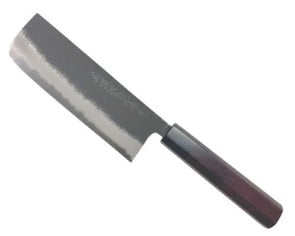
Minonokuni Raku Super Tsuchime 6.7-inch (170mm) Nakiri
Designed for precise vegetable prep, the Raku 170mm nakiri has a flat edge that push-cuts and chops without rocking, so each slice separates cleanly from the next. The thin grind and acute edge pass through onions, cabbage and roots with little effort from the cook.The hand-hammered tsuchime finish gives each blade a distinctive texture. The Aogami Super edge stays keen through a long session of vegetable prep, and the double bevel cuts straight in either hand, which makes the nakiri easier to learn than a single-bevel usuba.
Choosing a NakiriAmong our 170mm nakiri, the Homura is the low-maintenance choice with a stainless jacket, while the Aogami Black and Aogami Damascus offer kurouchi and Damascus finishes. Raku suits a cook who wants the longest-lasting edge and is comfortable with carbon steel care.The Raku 170mm santoku adds a tip for meat and fish. For katsuramuki and garnish work, a single-bevel usuba such as the Take 180mm usuba is needed. The knife shapes guide covers both. Learn More -

Minonokuni Raku Super Tsuchime 6.7-inch (170mm) Santoku
The Raku 170mm santoku is a very versatile knife with a flatter edge than a gyuto. It suits a cook who works on a smaller board and prefers push cuts and tap chopping, and it handles vegetables, boneless meat and fish with equal ease.Its hammered tsuchime finish gives the blade a textured face, and the Aogami Super edge holds its sharpness through a long prep session. When the edge does need attention, it comes back on a waterstone without fuss.
Which 170mm Santoku?The Raku series is named for a cook who works happily with a knife that is sharp and easy to maintain. It suits a cook comfortable with carbon steel care. The Homura 170mm santoku is the low-maintenance choice with a stainless jacket, the Aogami Black 170mm santoku has a kurouchi finish, and the Aogami Damascus 170mm santoku a Damascus pattern.For mostly vegetable work, see the Raku 170mm nakiri. For longer slicing, the Raku 210mm gyuto. The kitchen knife shapes guide explains the santoku. Learn More -

Minonokuni Raku Super Tsuchime 7.1-inch (180mm) Gyuto
In Japanese, raku means both being happy and being easy, and the Raku series is named for a cook who works happily with a knife that is sharp and easy to maintain. This 180mm gyuto is an all-purpose knife that handles everything from filleting fish to chopping a bushel of carrots.The blade is forged from Aogami Super, a blue steel known for holding a fine edge, and it responds well to waterstones and ceramic rods when it does need attention. The hammered tsuchime finish on the blade face gives each knife its own texture.
Raku Among Our Blue Steel GyutoA hand-forged gyuto of this compact size is uncommon. Raku suits a cook who sharpens on stones and is comfortable caring for carbon steel. For blue steel with a stainless jacket and less upkeep, see the Homura 210mm gyuto. The Aogami Black 180mm gyuto and Aogami Damascus 180mm gyuto are the other 180mm choices.Longer Raku gyuto are the 210mm and 240mm. Our knife shapes guide covers the gyuto. Learn More

