
You have no items in your shopping cart.
Knives
How would you like to shop?
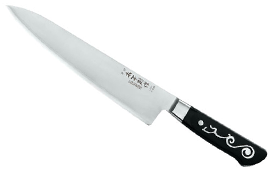
Chef's Knives
Chopping, slicing, and mincing
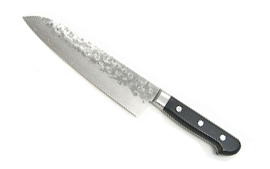
Santoku Knives
Japanese all-purpose blade
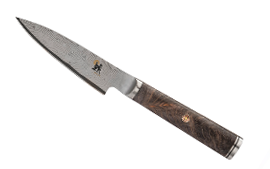
Paring Knives
Peeling and detail work
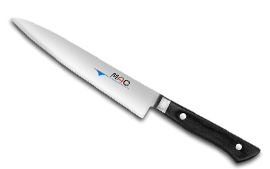
Utility Knives
Sandwiches and small produce
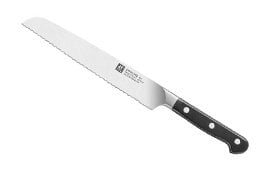
Bread Knives
Crusty loaves and soft bread
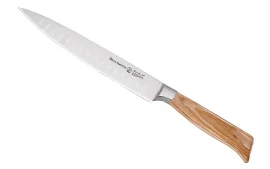
Carving and Slicing
Roasts, ham, and brisket
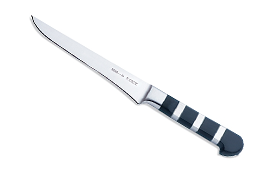
Boning Knives
Removing meat from the bone
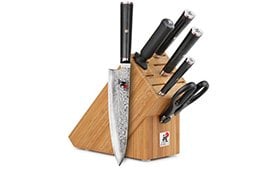
Knife Sets
Outfitting a kitchen or giving a gift
Shop All Shapes
Fillet, nakiri, yanagi, cleavers, steak, oyster, and every other shape we carry
European Makers
Professional and Commercial
Not sure where to start?
What will you cut most often?
What is your budget per knife?
Which edge style do you want?
All Knives
-

Minonokuni Ume 5.9-inch (150mm) Deba
For a cook who has never owned a deba, the Ume 150mm is where we suggest starting. The size suits trout, mackerel and other fish that fit on a home cutting board, and the Ume line is the most forgiving of the three standard Minonokuni lines.The deba is a single-bevel knife with a thick, heavy spine. The heel cuts through heads and collars, and the thinner forward edge glides along the backbone to lift each fillet. Learning that motion takes a few fish, and a forgiving edge makes the learning easier.
Built for LearningUme uses a softer carbon steel than Take or Matsu. It is less likely to chip when a cut goes wrong, and it is the best of the three lines for learning to sharpen a single bevel. A Minonokuni 1000 grit waterstone is the stone to begin with. As skills grow, the Take 150mm deba in white steel is the natural next knife.For bigger fish and poultry, see the Ume 165mm deba. Our kitchen knife shapes guide shows how the deba is used alongside the yanagiba and usuba. Learn More -

Minonokuni Ume 6.5-inch (165mm) Deba
The 165mm is the deba size that does a little of everything. It is heavy enough to take the head off a medium salmon and nimble enough to fillet a mackerel, and it breaks down a whole chicken without trouble. In the Ume line, it is our suggestion for a cook who wants one deba to learn on.The thick spine and substantial weight give leverage through fish collars and joints, while the single bevel keeps the forward edge close to the bone. Cutting along the frame rather than across it, the cook can take clean fillets with little waste.
Ume, Take or Matsu?The three standard lines are not a simple ranking. Each suits a different cook. Ume is the most forgiving and the best for learning to sharpen. The Take 165mm deba is the sweet spot for cooks ready for a harder edge, and the Matsu 165mm deba is for those already experienced with single-bevel knives.Left-handed cooks should choose the Ume 165mm left-handed deba. Smaller fish are easier with the Ume 150mm deba, and larger ones with the Ume 180mm deba. The knife shapes guide explains the deba. Learn More -

Minonokuni Ume 6.5-inch (165mm) Left-Handed Deba
A left-handed cook learning Japanese fish butchery needs a knife ground for the left hand, and this Ume 165mm deba is one. Its single bevel is on the left face, so the edge stays against the backbone as the fillet comes away.The heavy blade breaks down whole fish and poultry, cleaving fillets from the bone and cutting through heads and collars. The size suits medium fish such as salmon, sea bass and snapper. A cook who mainly handles small fish may find the left-handed Take 150mm easier to manoeuvre.
Why Start with UmeThe Ume line uses yellow paper steel. It is the softest of the steels in our three standard lines, which makes it the most forgiving of mistakes and the easiest to sharpen. For a left-handed cook working out how a single bevel behaves, that is a real advantage. When the time comes for a harder edge, the Take 165mm left-handed deba is the step up.The right-handed version is the Ume 165mm deba, and the Ume 180mm left-handed deba is larger. The knife shapes guide covers the deba. Learn More -

Minonokuni Ume 7.1-inch (180mm) Deba
Larger fish need a larger deba, and the 180mm Ume gives a newer cook the weight to take on salmon, striped bass and big snapper. The knife’s mass and thick spine supply the force for heavy cuts through heads and collars, so the cook can concentrate on control.The single-bevel edge runs along the bone with minimal damage to the fish. Take the fillet off in long strokes from head to tail, keeping the blade flat to the frame, then trim the rib bones with the tip.
A Forgiving SteelUme is the most forgiving of the three standard Minonokuni lines. Its carbon steel is less likely to chip than the harder white steel of Take or the blue steel of Matsu, which matters on a heavy knife that meets bone on every fish. It is also the easiest of the three to bring back to sharpness on a stone.The Ume 165mm deba is easier to handle on smaller fish, and the Ume 195mm deba is the largest. Left-handed cooks can order the Ume 180mm left-handed deba. A cook ready for a harder edge can compare the Take 180mm deba. The guide to knife shapes covers the deba. Learn More$110.00 -

Minonokuni Ume 7.1-inch (180mm) Left-Handed Deba
Here is a large deba for left-handed cooks. The Ume 180mm left-handed deba is ground with its bevel on the left face, and it has the length and weight to break down salmon, bass and other large fish.On a big fish, let the weight of the heel take the head off, then turn the knife and follow the backbone from head to tail. Because the bevel is on the correct side for the left hand, the edge hugs the frame instead of drifting into the fillet. The same knife breaks down whole chickens and ducks.
Learning on UmeUme is the line we suggest to a cook who is new to single-bevel knives. Its steel is the most forgiving of our three standard lines and the best for learning to sharpen. A chip from a misjudged cut is less likely, and when the edge dulls, it comes back on a stone without fuss. The Take 180mm left-handed deba is the harder, white steel alternative.The smaller Ume 165mm left-handed deba is quicker on medium fish. The right-handed model is the Ume 180mm deba. See the kitchen knife shapes guide for more. Learn More -

Minonokuni Ume 7.7-inch (195mm) Deba
The 195mm is the biggest deba in the Ume line. It is meant for removing heads and collars and separating fillets on large fish with a wide frame. The extra length gives the edge more reach along the backbone, and the extra weight takes the strain off the cook’s wrist.This deba is beautifully shaped and ground for its line. The face is flat enough that the shinogi, the line where the bevel meets the face, lies evenly on the stone during sharpening. That matters for a learner, because a flat bevel is much easier to sharpen consistently than an uneven one.
Who It SuitsUme is the most forgiving of the three standard Minonokuni lines and the best for learning to sharpen. On a large, heavy knife, a forgiving edge is especially useful, since a deba of this size meets a lot of bone. Cooks who already handle large fish with confidence may prefer the white steel Take 195mm deba.For mixed fish and poultry, the Ume 180mm deba or Ume 165mm deba is easier to handle. Our guide to kitchen knife shapes places the deba among its relatives. Learn More$148.00 -

Minonokuni Ume 8.3-inch (210mm) Yanagiba
A home cook who wants to try making sushi and sashimi should start with a 210mm yanagiba, and the Ume version is the forgiving way in. The length is easy to control on a home board and still slices a salmon or tuna fillet in one stroke.The yanagiba works by drawing, not pushing. Start the cut at the heel and pull the blade toward you through the fish, using its full length. The single bevel and hollow back let the slice come away cleanly, and the result has a smooth, bright face that a sawing cut cannot match.
Starting with UmeUme is the most forgiving of the three standard Minonokuni lines and the best for learning to sharpen a single bevel, which every yanagiba owner has to do. Its edge is less likely to chip than the harder steels in the Take 210mm yanagiba and Matsu 210mm yanagiba, which suit cooks with more experience.A longer stroke comes with the Ume 240mm yanagiba. Left-handed cooks should see the Ume 210mm left-handed yanagi. Our knife shapes guide covers the yanagiba. Learn More -

Minonokuni Ume 8.3-inch (210mm) Left-Handed Yanagi
Left-handed home cooks who want to slice sushi and sashimi properly need a yanagi ground for the left hand. This Ume 210mm yanagi has its bevel on the left face, so the knife draws straight through the fish and the slice falls away cleanly.The 210mm length is manageable on a home cutting board and long enough to slice salmon, tuna or yellowtail fillets in one stroke without tearing. The narrow blade reduces drag through the flesh, and the flat back keeps the slice from sticking.
A Left-Handed First YanagiThe Ume line is the most forgiving of our three standard lines and the easiest to learn to sharpen. That suits a left-handed cook buying a first single-bevel knife, who will be learning both the slicing stroke and the stone at once. We keep left-handed Ume knives in stock. When a harder edge is wanted, the Take 210mm left-handed yanagi is the next step.The right-handed version is the Ume 210mm yanagiba. For a longer stroke, see the Ume 240mm left-handed yanagi. For background on the shape, read the kitchen knife shapes guide. Learn More -

Minonokuni Ume 9.4-inch (240mm) Yanagiba
The 240mm yanagiba is the length to learn on for a cook who expects to slice sushi in a restaurant as well as at home. The long, narrow blade cuts a saku of tuna in one draw, and the Ume line makes it the most forgiving way to build the technique.Each slice should come from a single, smooth pull from heel to tip. The length of this knife gives enough blade to finish the cut on most fillets, so the cook does not need to saw back and forth. Keep the pressure light and let the edge do the cutting.
The Ume ChoiceWe describe the three standard lines by who they suit rather than by rank. Ume is the right choice for a novice, being the most forgiving and the best line to learn sharpening on. The Take 240mm yanagiba is the sweet spot for cooks ready for a harder edge, and the Matsu 240mm yanagiba is for experienced hands.Other Ume lengths are the 210mm and 270mm. Left-handed cooks should see the Ume 240mm left-handed yanagi. The knife shapes guide covers slicers. Learn More$92.00 -

Minonokuni Ume 9.4-inch (240mm) Left-Handed Yanagi
Slicing sashimi left-handed with a standard yanagi does not work, because the bevel is on the wrong side. The Ume 240mm left-handed yanagi is ground the other way, so a left-handed cook can make the clean, single-stroke slices the knife is made for.At 240mm, the blade suits both a home kitchen and a restaurant station. It slices salmon and tuna, and it can cut thin carpaccio of beef. The long blade lets the cut finish in one pull, which leaves the fish with a smooth, bright surface.
The Forgiving LineUme uses the softest steel in our three standard lines. It chips less readily and is the best line for learning to sharpen. For a left-handed cook new to single-bevel knives, those qualities make the learning curve gentler. We stock left-handed Ume knives.The Take 240mm left-handed yanagi is the harder alternative in white steel. For a home board, the Ume 210mm left-handed yanagi is shorter. Read about the shape in the knife shapes guide. Learn More

