
You have no items in your shopping cart.
Knives
How would you like to shop?
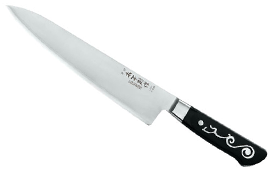
Chef's Knives
Chopping, slicing, and mincing
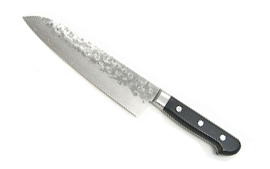
Santoku Knives
Japanese all-purpose blade
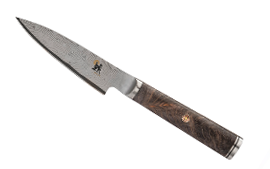
Paring Knives
Peeling and detail work
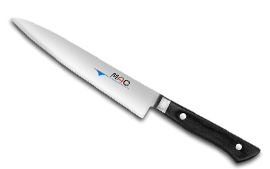
Utility Knives
Sandwiches and small produce
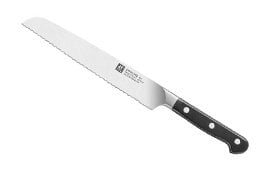
Bread Knives
Crusty loaves and soft bread
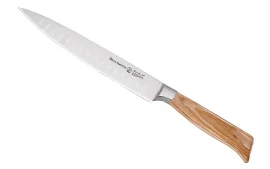
Carving and Slicing
Roasts, ham, and brisket
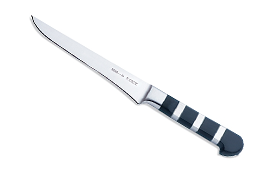
Boning Knives
Removing meat from the bone
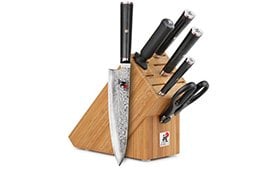
Knife Sets
Outfitting a kitchen or giving a gift
Shop All Shapes
Fillet, nakiri, yanagi, cleavers, steak, oyster, and every other shape we carry
European Makers
Professional and Commercial
Not sure where to start?
What will you cut most often?
What is your budget per knife?
Which edge style do you want?
All Knives
-

F. Dick Superior 4-inch Larding and Paring Knife
Its name comes from larding, the technique of cutting pockets in lean meat to insert fat for flavor and moisture, but this Superior knife does far more. The thin, fine blade and keen edge give close control for supreming oranges, boning a chicken and other precise work.A larding knife has to slip into meat without tearing it, so the blade is narrow and pointed. That same shape makes it a capable paring knife for detailed cuts on fruit and small cuts of meat. It pairs with a larding needle when barding a roast.The thin blade also trims fat and sinew from small cuts and slices garlic and shallots finely for sauces and dressings.For the larding itself, see the F. Dick 8-inch straight larding needle with clamp. The Superior 4-inch paring knife is a close alternative for paring, and the comparison table lists the other Superior small knives. Learn More$17.90 -

F. Dick Superior 3-inch Sheep’s Foot Paring Knife
A sheep’s foot blade has a flat edge and a rounded spine that curves down to meet it, and this 3-inch Superior parer uses that shape for peeling and for cutting small, thin strips for garnish. It is a useful tool for working with fruits and vegetables.The flat edge meets the board along its full length, so julienne strips and brunoise come out even. With no sharp point, the knife is also safer for in-hand work such as peeling citrus or trimming strawberries. It suits a cook who does a lot of garnish work.The flat edge also suits slicing mushrooms and shallots on the board. A garnish station can keep one beside a bird’s beak knife to cover both curved and straight cuts.For curved peeling, the Superior 2.5-inch bird’s beak knife follows round produce. A pointed parer is the Superior 4-inch paring knife, and our knife shapes guide covers paring knife shapes. Learn More$13.35 -

F. Dick Superior 2.5-inch Bird’s Beak Peeling Knife
Peeling and garnishing fruit and vegetables is the job of this 2.5-inch Superior bird’s beak knife. Its inward-curving blade follows round produce as it turns in the hand, which suits tourné cuts and peeling apples, potatoes and citrus.Curved peeling knives are difficult to resharpen, so cooks who use them daily keep more than one on hand, and this knife is a practical choice for that. The short blade gives precise control for fluting mushrooms and removing blemishes from fruit.The short blade also cores strawberries and removes the eyes from potatoes quickly. It fits easily in a knife roll beside larger knives. For a garnish station, it is a tool worth keeping spares of.For a flat-edged peeler, the Superior 3-inch sheep’s foot parer cuts thin garnish strips. A forged bird’s beak is the Premier Plus 2.75-inch bird’s beak paring knife. The table below compares the Superior small knives. Learn More$13.35 -

F. Dick ProDynamic 4.5-inch Paring Knife
A little longer than a standard parer, this 4.5-inch ProDynamic paring knife peels fruit, trims vegetables, deveins shrimp and cuts garnishes. Its narrow blade and fine tip work close to the surface for delicate cuts.The extra length helps with a lemon or a small onion, which a 3-inch blade cannot cross in one stroke. The knife is light and the handle soft, so it stays comfortable through long prep. The fine tip slips under the shell of a shrimp and along the vein without tearing the flesh.The 4.5-inch length also trims chicken thighs and cleans small cuts of meat. In a restaurant, it is a useful knife for garnish and prep stations alike. It is light enough to keep on hand through a full service.A yellow-handled version fits color-coded kitchens. For close work in the hand, the ProDynamic 3-inch paring knife is quicker, and the ProDynamic tomato knife has a serrated edge for soft fruit. Learn More -

F. Dick ProDynamic 3-inch Paring Knife
Peeling, trimming and slicing fruit and vegetables in the hand are the jobs for this 3-inch ProDynamic paring knife. The short blade keeps the tip close to the fingers for control.A small, light knife is easy to work with for long periods, which matters on a prep list full of strawberries to hull and shallots to peel. The soft handle gives a secure grip, and the joint between blade and handle is sealed, so it cleans quickly between tasks.The 3-inch blade also handles small jobs at the stove, such as scoring sausages or cutting a lemon for a final squeeze. Its light weight makes it easy to keep in an apron pocket or a knife roll. Keep one near the range so the chef’s knife stays on the board.For more reach, the ProDynamic 4.5-inch paring knife handles trimming and shrimp, and a yellow-handled version suits color-coded kitchens. The ProDynamic tomato knife adds a serrated edge and pronged tip. The table below compares the full ProDynamic range. Learn More -

F. Dick ErgoGrip 4-inch Small Fillet Knife
This short ErgoGrip blade handles the small, exacting jobs in fish and poultry work, such as removing gills, gutting fish and severing chicken wings. At 4 inches, the tip stays right at the fingertips.A small fillet knife has enough point to open a fish and enough edge to cut through a wing joint. The polished blade sheds residue, and the handle seals tight to the blade with no gap, so it cleans quickly between tasks on a busy table.The short length also gives good control when cutting toward the hand, which these jobs demand. Fish processors and poultry cutters can keep one at each station for small tasks, so the larger fillet and boning knives stay on the jobs they suit best.For lifting fillets from larger fish, step up to the 7-inch ErgoGrip semi-flexible fillet knife. Poultry jointing at the same length is also covered by the 4-inch straight stiff boning knife. The table below compares the ErgoGrip trimming and fillet knives. Learn More$18.20 -

F. Dick ErgoGrip 4-inch Straight Stiff Boning Knife
At 4 inches, this is the shortest blade in the ErgoGrip boning range, and the size suits jobs where the tip does most of the work. On a chicken, the short, stiff blade finds the joint between thigh and drum, cuts the tendons around the wing and frees the oyster without the handle getting in the way.A stiff blade transmits pressure straight to the edge, so it can lever around a joint and push through cartilage that would bend a flexible knife. The straight profile also keeps the edge close to a flat bone such as a breastbone or a scapula. Poultry processors, butchers working small cuts and hunters dressing birds or rabbits get the most from it.The short blade is also easier to control when cutting toward the hand, which happens constantly on poultry. A cutter can choke up on the handle and work with the tip alone.If the work moves to larger cuts or longer draws along the bone, step up to the 5-inch straight stiff boning knife or the 6-inch version. For poultry lines that prefer a curved edge, the 5-inch curved stiff boning knife covers the same jobs with a longer cutting edge. The comparison table below lists every ErgoGrip boning blade we carry. Learn More$15.60 -

F. Dick 1905 3.5-inch Paring Knife
Peeling, slicing and garnishing fruits and vegetables are the jobs for this 3.5-inch 1905 paring knife. It comes with a keen edge that cuts thin, even tomato slices for a knife this small.A paring knife does much of its work in the hand, and the short blade keeps the tip close to the fingers for control when hulling strawberries or coring tomatoes. The ringed 1905 handle gives a secure grip for that close work.A paring knife also handles small jobs at the stove, such as scoring the skin of a sausage, testing a potato for doneness or cutting a lemon to finish a dish. Keep one near the range so the chef’s knife stays on the board.For tourné cuts and peeling round produce, the curved 1905 3-inch bird’s beak peeler is better shaped. Larger fruit and slicing on the board suit the 1905 6-inch utility knife. The comparison table below lists the 1905 paring and utility knives. Learn More$49.40 -

F. Dick 1905 3-inch Bird’s Beak Paring Knife
A bird’s beak knife has a short blade that curves inward like a beak, and this 1905 version is made for tourné cuts and for peeling round produce. The curve keeps the edge in contact with a potato, an apple or a stone fruit as the cook turns it in the hand.The classic tourné, a seven-sided football-shaped vegetable, is cut with the thumb as a pivot and the blade drawing toward it. The inward curve makes that motion natural, and it also helps with peeling citrus segments and removing blemishes from fruit. The forged blade stays rigid under the thumb.The short blade also suits trimming artichokes and fluting mushrooms, two classic garnish tasks.For straight-edged peeling and trimming on the board, the 1905 3.5-inch paring knife is the counterpart. A Premier Plus bird’s beak peeler offers the same shape with a modern handle, and the table below compares the 1905 small knives. Learn More$48.75 -

F. Dick Pink Spirit 3.5-inch Paring Knife
A nimble tool for peeling, trimming and small cuts, the Pink Spirit paring knife brings a bright pink handle to the smallest knife in the kitchen. Its slim blade cuts cleanly through soft fruit and delicate garnishes.The round handle rolls easily between the fingers, so the blade follows the curve of an apple or a potato while peeling. The short blade keeps the tip close to the hand for control during in-hand work such as hulling strawberries and coring tomatoes. Buying it also sends a donation from F. Dick to Pink Ribbon Deutschland.It also halves cherry tomatoes and slices a single garlic clove for a quick sauce. Keep it by the board so the larger knife stays free for bigger jobs.A red version is the Red Spirit 3.5-inch paring knife. The Pink Spirit 2-piece set pairs this knife with the santoku, and the Pink Spirit 5-piece magnetic block set includes it too. Learn More$50.70

