
You have no items in your shopping cart.
Knives
How would you like to shop?
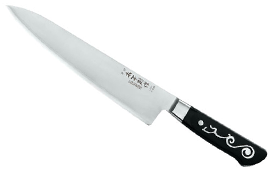
Chef's Knives
Chopping, slicing, and mincing
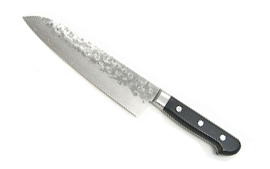
Santoku Knives
Japanese all-purpose blade
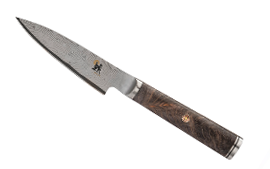
Paring Knives
Peeling and detail work
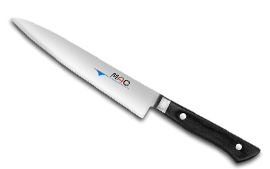
Utility Knives
Sandwiches and small produce
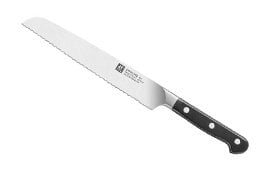
Bread Knives
Crusty loaves and soft bread
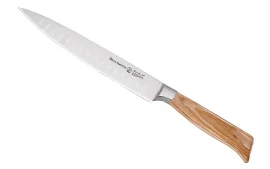
Carving and Slicing
Roasts, ham, and brisket
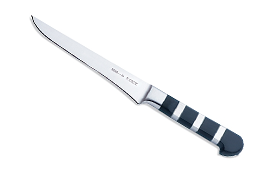
Boning Knives
Removing meat from the bone
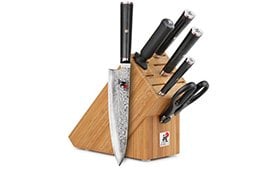
Knife Sets
Outfitting a kitchen or giving a gift
Shop All Shapes
Fillet, nakiri, yanagi, cleavers, steak, oyster, and every other shape we carry
European Makers
Professional and Commercial
Not sure where to start?
What will you cut most often?
What is your budget per knife?
Which edge style do you want?
All Knives
-
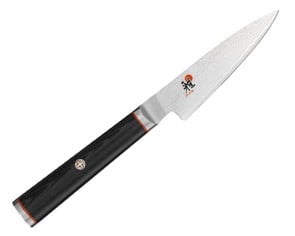
Miyabi Kaizen 3.5-inch Paring Knife
The Kaizen 3.5-inch paring knife is a small Damascus blade for peeling and trimming. Its VG10 edge stays keen through daily small jobs.Use it in the hand or on the board, and keep it away from pits and bones. For a longer blade, see the Kaizen utility knife. Learn More$129.95 -

Wüsthof Ikon 3.5-inch Paring Knife, African Blackwood
The Wüsthof Ikon 3.5-inch paring knife puts a forged paring blade on a handle of African blackwood, a dark, dense wood that brings warmth to a small knife used every day. Functionally it matches the Classic Ikon 3.5-inch; the wood handle is the upgrade.Use it to peel and trim in the hand, to hull strawberries, to remove the seeds from a jalapeño or to score the skin of a pork belly. The handle is shaped to fill the palm, comfortable for a full grip and natural in a pinch grip, and because the heel has no bolster, the entire edge can be sharpened.Blackwood takes a little extra care. Wash the knife by hand and dry it right away, then oil the handle with food-grade mineral oil now and then. The same blade on a synthetic handle is the Classic Ikon 3.5-inch paring knife. The Ikon 6-inch utility knife and Ikon 8-inch chef’s knife share this handle. Our knife shapes guide describes paring styles in detail. Learn More$199.95 -

Miyabi Koh 3.5-inch Paring Knife
The Koh 3.5-inch paring knife is a small FC61 blade for peeling and trimming in the hand. It is durable and easy to keep sharp.For board work, the Koh prep knife has more height.Hold the fruit in one hand and pull the blade toward your thumb for peeling, or use the tip to hull strawberries and core tomatoes. The FC61 edge recovers with a few strokes on a ceramic rod, so it stays ready for daily use. Learn More$109.95 -

Miyabi Black 5000MCD67 3.5-inch Paring Knife
The Miyabi Black 3.5-inch paring knife is the smallest knife in the line: a narrow, pointed blade for peeling, coring and trimming, on a 66 HRC MC66 core.A hard steel matters on a parer because small blades are awkward to sharpen; this one holds its edge for a long time between sessions on the stones.For a taller blade for board work, see the Black prep knife. Learn More$244.95 -

Miyabi Evolution 3.5-inch Paring Knife
The Evolution 3.5-inch paring knife is a small, durable FC61 blade for peeling and trimming in the hand.The riveted handle gives a secure grip for in-hand work. For a longer blade, see the Evolution utility knife.Use it in the hand to peel apples and potatoes, or on the board to trim shallots and hull strawberries. The FC61 edge responds well to honing, so a few strokes on a rod keep it ready. Learn More$109.95 -

Miyabi Artisan SG2 3.5-inch Paring Knife
The Artisan 3.5-inch paring knife is a small, pointed SG2 blade for peeling, hulling and trimming. A hard steel is valuable on a parer, since small blades are awkward to sharpen and this one holds its edge for a long time.The cocobolo Pakkawood handle sits comfortably for in-hand work. For a little more reach, see the Artisan 5-inch utility knife. Learn More$154.95 -

Miyabi Birchwood SG2 3.5-inch Paring Knife
A 3.5-inch parer covers the small jobs: peeling an apple, hulling strawberries, trimming Brussels sprouts. The Birchwood version puts an SG2 core on that small blade, so the edge stays keen through many peeling sessions.The narrow blade and pointed tip work in the hand and on the board, and the birch handle is shaped to sit in the palm for in-hand work.For a little more length, see the Birchwood 5-inch utility knife. Our guide to knife shapes explains paring knives. Learn More$204.95 -

Dexter-Russell Sani-Safe 2-inch Scallop Knife
Opening a bay scallop takes a short, stiff blade that can slip between the shells and scrape the meat free of the adductor attachment in one motion. Dexter-Russell built the Sani-Safe S124 for exactly that, with a 2-inch blade and a smooth edge made, in Dexter’s words, to scrape scallops out of the shell. Dexter designs it for bay scallops and other smaller scallops.The short length keeps the tip under control when working quickly through a bushel, and the stiff blade does not bend when it is levered against the shell. Bay scallops are a Northeast tradition, from Nantucket to Peconic Bay. The white handle is textured for a wet grip, and the seal between handle and blade keeps scallop juices out of the joint.Dexter’s own product text confirms a smooth, plain edge, which is what a scallop knife needs.
Bay or Sea Scallops?For large sea scallops, the Dexter-Russell 4.5-inch Scallop Knife has a longer blade. Learn More$15.99 -

Wüsthof Classic 3.5-inch Paring Knife
A paring knife handles the small, close work a chef’s knife is too large for, and the Wüsthof Classic 3.5-inch is the size we reach for first. Its narrow, pointed blade hulls strawberries, trims the root end of a shallot, deveins shrimp and cuts the core from a halved apple.Much of that work happens in the hand, off the board, so control matters more than length here. The short blade keeps the tip close to your fingers. Its three-rivet handle gives a secure hold when your hands are wet from washing produce. On the board, the tip scores the skin of a duck breast or a loaf of bread before baking.For a slightly longer blade that also slices small fruit on the board, see the Classic 4-inch paring knife. For peeling round fruit and shaping garnishes, the curved Classic peeling knife is the better tool. The Classic Ikon 3.5-inch puts this blade on Ikon’s rounded handle, and our kitchen knife shapes guide compares the paring styles. Learn More$94.95 -

Wüsthof Classic 4-inch Paring Knife
Half an inch longer than the standard paring blade, the Wüsthof Classic 4-inch paring knife adds reach, and that extra length lets it work on the cutting board as well as in the hand. It slices limes for drinks, segments an orange and trims the fat cap from a small steak.The pointed tip still handles detail work, such as removing the eyes from a potato or hulling berries, and the blade is long enough to cut a whole apple into wedges without sawing. Its grip holds firm even with damp fingers, and the knife is light enough to use for a long session of prep.Choose the Classic 3.5-inch paring knife if your paring is done in the hand, and this 4-inch if you also want a small knife for quick jobs on the board. For jobs between paring and chef’s knife, see the Classic 4.5-inch utility knife. Our guide to knife shapes explains where paring and utility knives overlap. Learn More$94.95

