
You have no items in your shopping cart.
Knives
How would you like to shop?
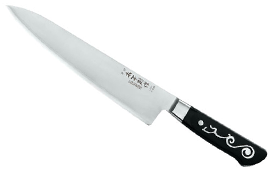
Chef's Knives
Chopping, slicing, and mincing
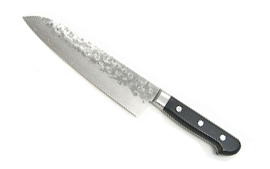
Santoku Knives
Japanese all-purpose blade
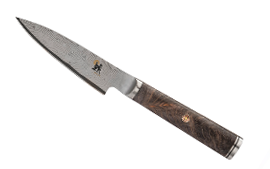
Paring Knives
Peeling and detail work
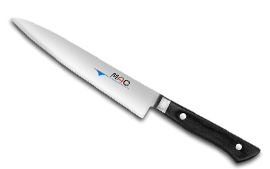
Utility Knives
Sandwiches and small produce
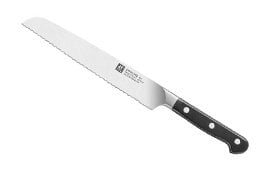
Bread Knives
Crusty loaves and soft bread
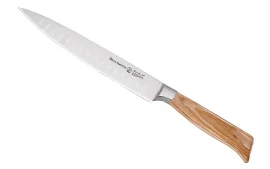
Carving and Slicing
Roasts, ham, and brisket
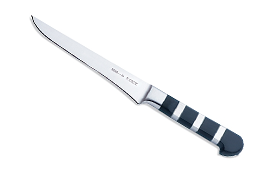
Boning Knives
Removing meat from the bone
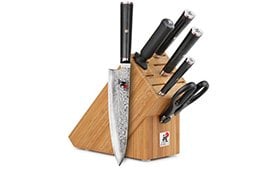
Knife Sets
Outfitting a kitchen or giving a gift
Shop All Shapes
Fillet, nakiri, yanagi, cleavers, steak, oyster, and every other shape we carry
European Makers
Professional and Commercial
Not sure where to start?
What will you cut most often?
What is your budget per knife?
Which edge style do you want?
All Knives
-
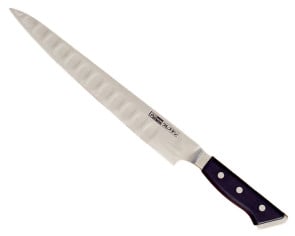
Glestain KE Series 9.4-inch (240mm) Left-Handed Sujihiki
Left-handed cooks who slice proteins need a slicer that pulls straight in the left hand. The 240mm Left-Handed Sujihiki is Glestain’s KE Series slicer ground as a mirror image of the right-handed 724TSK, with the dimples on the left face, so it tracks true through a long draw cut.It trims and portions fish, slices roasts and hams, and portions poultry breasts into even slices. The dimples reduce friction against the food, which gives cleaner slices of salmon and rare beef, and the bolster and end cap steady the knife through each stroke.An asymmetrical blade cannot be reground for the other hand, so the left-handed model is the only way to get this geometry working for a left-handed cook.
Other Left-Handed SlicersThe KE Series 270mm Left-Handed Sujihiki adds length for whole fish and large roasts. For chopping, see the 240mm Left-Handed Gyuto. Our guide to knife shapes covers slicers and carving knives. Learn More$232.00 -
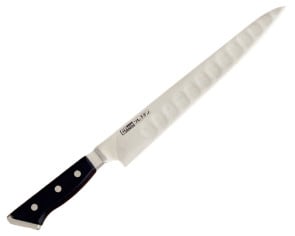
Glestain KE Series 9.4-inch (240mm) Sujihiki
The 240mm sujihiki is a versatile Japanese slicer. Use it to carve a roast or a ham, to portion salmon or tuna, or to trim a whole beef tenderloin, and it reaches across most cuts in a single long stroke.Slicing is where Glestain’s dimples earn their place. Thin slices of meat or fish tend to stick to a smooth blade and tear as you pull the knife back. The dimples break that contact, and the asymmetrical grind moves each slice off the steel so it falls flat and intact. The KE Series bolster and end cap give the knife weight at the hand, which steadies a long draw cut.A sujihiki is the Western-handled cousin of the yanagi and is ground on both faces, so it is easier to maintain than a single-bevel sushi knife.
Other SujihikiFor a smooth face suited to sashimi, see the W Series 240mm Sujihiki. The Ice Handle 240mm Sujihiki has a stainless handle, and left-handed cooks can choose the KE Series 240mm Left-Handed Sujihiki. All of them are compared below. See our kitchen knife shapes guide for more on slicers. Learn More -

Glestain KE Series 9.4-inch (240mm) Left-Handed Gyuto
A true left-handed chef’s knife is hard to find. A knife sold as left-handed may simply be a symmetrical blade with its edge sharpened for the left hand. For the 240mm Left-Handed Gyuto, Glestain grinds the blade itself as the mirror image of the right-handed 724TK, so the knife tracks straight through a cut in the left hand.The dimples sit on the left face, the face that meets the food, where they keep slices of onion and potato from clinging to the steel. With the bolster and end cap of the KE Series, this is a substantial knife; the 240mm length covers a full cutting board and handles volume prep in a restaurant or a large batch at home.You will notice the difference in the quality of your cuts. The knife produces more consistent results with less effort. If you are building your technique, continue working with other knives as well, so you don’t become dependent on this blade.Because the geometry is built into the blade, the knife will not cut properly in the right hand. Buy it for a cook who will hold it in the left, and choose the right-handed 724TK for anyone else.
Other Left-Handed GyutosFor a shorter knife, see the KE Series 210mm Left-Handed Gyuto or the lighter K Series 210mm Left-Handed Gyuto, which has no end cap. The 270mm Left-Handed Gyuto gives more reach. Every Glestain gyuto is compared below, and our knife shapes guide covers the gyuto in more depth. Learn More -

Glestain KE Series 9.4-inch (240mm) Gyuto
The 240mm KE Series gyuto is the Glestain chef’s knife for long sessions at the board. Its blade is long enough to slice across a cabbage or a boneless pork loin in one stroke, and the bolster and stainless end cap make it one of the heftiest knives in the line, so the weight of the knife does part of the work on dense produce.Two features set every Glestain apart from a conventional chef’s knife. The deep dimples on the face of the blade break the suction that holds slices of potato, apple or cucumber against the steel, so cut food falls away and you spend less time clearing the blade. The blade is also asymmetrical, shaped more like a right triangle than an even wedge, which pushes each slice away from the knife as it cuts.Both home cooks and professional kitchens buy this knife from us, and Glestain knives are seldom returned. In our experience the end cap’s added weight suits a 240mm blade well, balancing the extra length toward the hand.The steel holds an edge well and is easy to maintain. It isn’t brittle and can be quickly brought back with a honing rod. This knife improves the quality and consistency of your cuts. It produces clean, repeatable results with less effort, which becomes clear with regular use. If you are actively developing your technique, it is still important to practice with other knives as well, so you don’t develop bad habits.
Other Lengths and HandlesThe same blade without the end cap is a lighter knife; see the SO Series 240mm Gyuto, which has no bolster at all, or the all-metal Ice Handle 240mm Gyuto. For a shorter knife, the KE Series 210mm Gyuto is the same design. Left-handed cooks should choose the 240mm Left-Handed Gyuto. Our guide to kitchen knife shapes explains how a gyuto compares with a santoku and other chef’s knives. Learn More -

Glestain KE Series 8.3-inch (210mm) Left-Handed Gyuto
The 210mm Left-Handed Gyuto is Glestain’s everyday chef’s knife made for the left hand. Its blade is a mirror image of the right-handed 721TK, with the steep face and the dimples on the opposite side, so slices fall away and the knife holds its line when a left-handed cook pushes it through an onion or a stack of peppers.At 210mm it suits a standard home board as well as a station in a professional kitchen. The KE Series bolster and end cap make it a solid, hand-balanced knife; cooks who want something lighter at this length can choose the K Series model, which drops the end cap. The way that food doesn’t cling to the blade really speeds up dicing potatoes, onions and the like. Everything just stays on the cutting board without having to hold the slices together. If you do a lot of cutting, this is likely to become your favorite knife.Left-handed Japanese knives are hard to find, and an asymmetrical blade cannot be reground for the other hand. Buying the left-handed model is the only way to get the Glestain geometry working in the left hand.
Other Left-Handed Glestain KnivesSee the K Series 210mm Left-Handed Gyuto for a lighter knife and the 240mm Left-Handed Gyuto for more length. The left-handed range also includes the 170mm Left-Handed Santoku and the 140mm Left-Handed Utility Knife. Our guide to knife shapes explains how these knives differ. Learn More -

Glestain KE Series 8.3-inch (210mm) Gyuto
A 210mm gyuto is the length that fits a home cutting board and a crowded line station alike. This KE Series model gives that length the full Glestain treatment, with a bolster and a stainless end cap that add weight at the back of the handle.On the board, the dimpled face is what you notice first. Diced potato, sliced zucchini and rounds of carrot drop away from the blade instead of riding up it, so the knife stays clear between strokes. The asymmetrical grind pushes each slice off the blade, which makes fast, repetitive cuts cleaner and more consistent.The 210mm gyuto is the most popular size for home and line cook use. Fast, efficient and resilient, this knife holds up to tough use. The end cap is a matter of preference at this length. It moves the balance toward the hand, which some cooks like for control during fine work. Others prefer the lighter, slightly blade-forward feel of the K Series knife, which has the same blade without the cap.
Choosing a 210mm GlestainCompare this knife with the K Series 210mm Gyuto (bolster, no end cap), the SO Series 210mm Gyuto (no bolster) and the Ice Handle 210mm Gyuto (stainless handle). Left-handed cooks can choose the KE Series 210mm Left-Handed Gyuto. For a longer blade, see the KE Series 240mm Gyuto, and for help with chef’s knife shapes, see our kitchen knife shapes guide. Learn More -

Glestain KE Series 8.7-inch (220mm) Scimitar
The scimitar is a butcher’s knife for cutting large slabs of meat, and Glestain’s 220mm version adds dimples to the traditional Western curved blade. Butchers use it to cut steaks from a strip loin, trim fat and sinew, and portion large cuts; hunters use it to break down game.The long, upswept curve lets the knife draw through a cut in one stroke, which gives clean, even steaks. The dimples keep raw meat from clinging to the blade, and the handle curves for a secure grip and comfort through long sessions at the block. It also carves roasts and trims briskets.The knife fits the F. Dick Scimitar Knife Sheath, which protects the edge on the way to the shop or the field.
Other Butchery KnivesFor boning, see the KE Series 190mm Garasuki and the 150mm Honesuki. For slicing cooked roasts, the 270mm Sujihiki is narrower. Our guide to kitchen knife shapes covers butcher and breaking knives. Learn More -

Glestain KE Series 7.5-inch (190mm) Left-Handed Garasuki
For left-handed butchers and cooks, the 190mm Left-Handed Garasuki brings Glestain’s heavier boning knife to the left hand. The blade is a mirror image of the right-handed 420TK, with the dimples and the steep face reversed, so it follows the bone in a left-handed cut.Use it on large poultry, lamb and pork, and to slice the meat once it is off the bone. The thick spine gives the blade strength for heavy boning, and the dimples keep raw meat from sticking. The KE Series bolster and end cap give a weighted, secure grip.Left-handed Japanese boning knives are rare, and Glestain’s asymmetrical blades cannot be reground for the opposite hand.
Other Left-Handed Boning KnivesFor poultry, the 150mm Left-Handed Honesuki is smaller and quicker. Our kitchen knife shapes guide explains boning knives. Learn More$260.00 -

Glestain KE Series 7.5-inch (190mm) Garasuki
The garasuki is the larger, heavier relative of the honesuki. Its 190mm triangular blade has the length and the thicker spine for bigger birds and heavier boning, such as breaking down turkeys, boning a leg of lamb or separating pork shoulder, and it slices the boned meat as well.The dimpled face keeps raw meat from clinging, so the knife travels cleanly along the bone. With the KE Series bolster and end cap, it is a substantial knife with a secure, weighted grip, suited to butcher shops and kitchens that process whole animals.Like the honesuki, the garasuki is meant for working around bones and through joints; use a cleaver or saw to cut through heavy bone.
Honesuki or Garasuki?For chicken and duck, the KE Series 150mm Honesuki is quicker and more nimble. Left-handed cooks can choose the 190mm Left-Handed Garasuki. For steaks and large cuts, see the KE Series 220mm Scimitar. Our guide to kitchen knife shapes compares these knives. Learn More -

Glestain 9.4-inch (240mm) Deba
For fabricating large, powerful fish such as tuna, swordfish and large salmon, the 240mm deba has the weight and length the job demands. It removes heads and collars, splits frames and takes fillets from fish too large for a smaller deba.The blade has a smooth W Series face and the clean look of a classic deba, in stainless steel that resists rust at the fish station. Its edge is ground close to a single bevel, with only a small back bevel, so it cuts with the precision of a traditional deba.At almost double the carbon content of standard German stainless steel, this knife is over 20% lighter than carbon steel debas of the same size, significantly reducing fatigue during long sessions. A 240mm deba is a professional tool for fishmongers, sushi kitchens and anglers who land large fish.
Choosing a Deba SizeThe Glestain deba also comes as a 160mm Deba and a 200mm Deba. For filleting flatfish and portioning, pair it with a flexible fillet knife or a sujihiki. Our guide to kitchen knife shapes explains the deba. Learn More$306.00

