
You have no items in your shopping cart.
Knives
How would you like to shop?
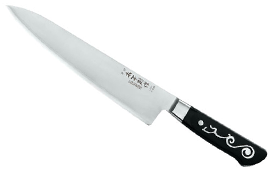
Chef's Knives
Chopping, slicing, and mincing
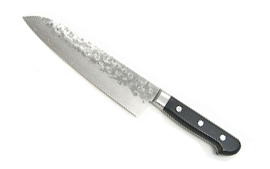
Santoku Knives
Japanese all-purpose blade
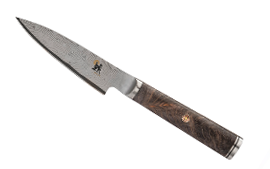
Paring Knives
Peeling and detail work
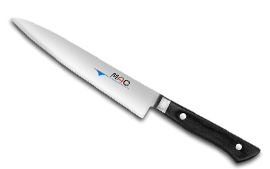
Utility Knives
Sandwiches and small produce
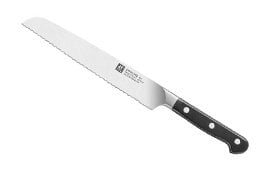
Bread Knives
Crusty loaves and soft bread
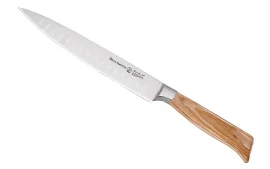
Carving and Slicing
Roasts, ham, and brisket
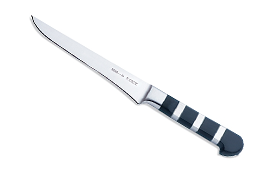
Boning Knives
Removing meat from the bone
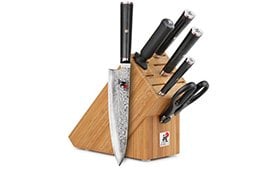
Knife Sets
Outfitting a kitchen or giving a gift
Shop All Shapes
Fillet, nakiri, yanagi, cleavers, steak, oyster, and every other shape we carry
European Makers
Professional and Commercial
Not sure where to start?
What will you cut most often?
What is your budget per knife?
Which edge style do you want?
All Knives
-

Glestain K Series 8.3-inch (210mm) Sujihiki
A 210mm sujihiki is a compact slicer, short enough to work on a home cutting board and long enough to portion a pork tenderloin, a duck breast or a side of fish into even slices. This K Series model has a bolster and no end cap, which keeps it light and quick in the hand.A sujihiki is narrower than a gyuto, so less steel touches the food on each stroke. Glestain adds dimples to the face, which further reduce drag and keep thin slices of meat or fish from sticking to the blade. The asymmetrical grind pushes each slice away cleanly, which helps when plating slices in a neat row.Cooks who carve a roast at home now and then will find this length easier to store and handle than the long professional slicers.
Choosing a Sujihiki LengthFor larger roasts and whole fish, see the 240mm and 270mm KE Series Sujihiki. The table below lists every Glestain sujihiki, and our guide to kitchen knife shapes explains how a sujihiki differs from a yanagi and a carving knife. Learn More -

Glestain 5.9-inch (150mm) Curved Roasting Fork
The Glestain curved roasting fork holds a roast, a turkey or a ham steady while you carve, and lifts and serves the slices afterward. Its curved tines cradle the meat and keep it from shifting under a long slicing stroke.Pair it with a Glestain slicer, such as the KE Series 240mm Sujihiki or the 270mm Sujihiki, for carving at the table or a buffet station. The fork is sold on its own.A carving fork keeps your hand clear of the blade and away from hot meat, which makes carving safer as well as neater. Our guide to kitchen knife shapes covers carving forks along with the knives they work with. Learn More$152.00 -

Kikuichi GM Series Molybdenum Stainless Steel 4.7-inch (120mm) Petty
At 4.7 inches (120mm), the GM12 handles the paring jobs of a kitchen, though Kikuichi classes it as a petty, the Japanese small utility knife. It peels apples, segments oranges, trims green beans and cores strawberries, and the AUS10 stainless blade only needs a wash and a towel afterward.The thin blade is precise enough for garnish work and for turning vegetables, and it slips easily into a knife roll.
120mm or 150mm Petty?The GM Series 5.9-inch (150mm) Petty adds length for slicing small proteins and working on the board. Learn More$124.95 -

Kikuichi GM Series Molybdenum Stainless Steel 5.9-inch (150mm) Petty
A 5.9-inch (150mm) petty sits between a paring knife and a gyuto, and Kikuichi’s GM15 is the version in its molybdenum stainless line. It slices a shallot or a lime, trims silver skin from a tenderloin and cuts sandwiches, the small jobs that make a full chef’s knife awkward.Kikuichi’s AUS10 stainless keeps maintenance to a wash and a dry, so this petty is a low-maintenance second knife beside a gyuto at home or on a professional station.
Petty Knife SizesFor finer paring, the GM Series 4.7-inch (120mm) Petty is easier to control in the hand. In carbon steel, see the GC Series 5.9-inch (150mm) Petty. Learn More$134.95 -

Kikuichi GM Series Molybdenum Stainless Steel 7.1-inch (180mm) Gyuto
The Kikuichi Molybdenum 7.1 in. (180mm) Gyuto is an all purpose kitchen knife; can be used for mincing, slicing, dicing and chopping. Learn More$179.95 -

Kikuichi GM Series Molybdenum Stainless Steel 8.25-inch (210mm) Gyuto
Kikuichi calls its GM Series a great value that holds a great edge, and the 8.25-inch (210mm) gyuto is the all-purpose Japanese chef’s knife of the line. It is close in length to a standard Western chef’s knife, so the move from a German blade feels familiar, but Kikuichi notes that these blades are thinner than their German counterparts.The steel is AUS10, a molybdenum stainless that Kikuichi says allows a thin, stiff blade that is easy to care for. That makes the GM gyuto a practical choice for a home cook who wants Japanese sharpness without the drying routine of carbon steel, and for a professional who needs a dependable stainless knife on a busy line. Kikuichi describes the series as a great entry-level knife.
Stainless or Carbon?The GC Series Carbon Steel 8.25-inch (210mm) Gyuto takes a keener edge but needs drying and will patina. For more reach, see the GM Series 9.4-inch (240mm) Gyuto. Learn More$199.95 -

Kikuichi GM Series Molybdenum Stainless Steel 9.4-inch (240mm) Gyuto
Molybdenum series has a high content of Molybdenum steel providing a razor sharp edge. The gyuto is like a chef knife and can be used on meats, poultry, fruits and vegetables. Learn More$244.95 -

Kikuichi GN Series Ginsan Nashiji 9.4-inch (240mm) Gyuto
Shibui, the Japanese design idea of balancing simplicity and complexity, is how Kikuichi frames its GN Series, and this 9.4-inch (240mm) gyuto shows it in a quiet nashiji, or pear-skin, finish. The texture comes from the outer layers of a three-layer blade with a Ginsan core, a stainless steel also called Silver-3.Kikuichi’s description of the Ginsan blade is thin, strong and precise, and at 61 HRC it is the hardest stainless core in Kikuichi’s premium lines we carry. Its length carves a large roast in a single pass, and the burnished octagonal oak handle gives a comfortable grip and sets the balance just ahead of the hand. It suits experienced cooks who want a long, understated Japanese chef’s knife with a fine edge and no decorative pattern. Store it in a saya to protect the thin edge.
Ginsan SlicersFor slicing, see the GW Series Ginsan Sanmai 9.4-inch (240mm) Sujihiki. The Kikuichi 240mm Gyuto Magnet Saya fits this blade. Learn More -

Global Classic 40th Anniversary 6-inch Kiritsuke Utility Knife
Released for Global’s 40th anniversary, the GS-110 puts a kiritsuke-style clipped tip on a 15 cm utility knife. The angled point and gently curved edge give it more reach and precision than a standard utility knife, and the blade is tall enough to clear the knuckles on the board.It fills the space between a paring knife and a chef’s knife. The clipped tip draws through scallions and celery for long, thin cuts and scores fish skin. The curved edge slices a single onion or a boneless chicken breast when a full chef’s knife would be more than the job requires. Cooks who work in a small kitchen, or who prefer a lighter knife for most daily cutting, may find it covers a good share of their prep.
Choosing a Small Global KnifeFor a shorter blade with a fine point, see the Global Classic 4.5-inch Asian Utility Knife. For tomatoes and bread rolls, choose the serrated Global Classic 6-inch Serrated Utility Knife. The Global 40th Anniversary 7-inch Asian Chef’s Knife is the larger anniversary knife. The Knife Merchant guide to kiritsuke and other shapes explains the clipped tip. Learn More$89.95 -
Global Classic 6-inch Serrated Utility Knife
Ripe tomatoes, lemons and hard salami all have a skin or casing that a straight edge has to press against before it cuts. The GS-14’s serrated 15 cm blade starts that cut with a light stroke, so a tomato slices without collapsing and a lemon comes apart without spraying juice across the board.The blade is long enough for a sandwich or a crusty roll and short enough to handle like a utility knife. It slices cured sausages and hard cheese rinds, and its serrations keep their bite on the board longer than a straight edge does on these foods. For a full loaf of bread, a longer knife covers the width more easily.
Serrated Utility or Bread Knife?The Global Classic 8.5-inch Bread Knife is the better tool for whole loaves and large crusty breads. Choose the GS-14 for tomatoes, citrus, sandwiches and charcuterie. For straight-edge utility work, see the Global 40th Anniversary 6-inch Kiritsuke Utility Knife. Utility knife styles are described in our kitchen knife shapes guide. Learn More


