
You have no items in your shopping cart.
Knives
How would you like to shop?
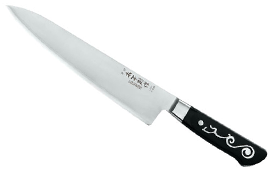
Chef's Knives
Chopping, slicing, and mincing
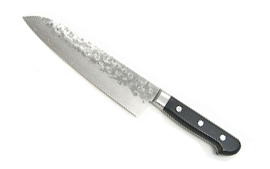
Santoku Knives
Japanese all-purpose blade
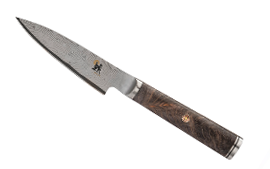
Paring Knives
Peeling and detail work
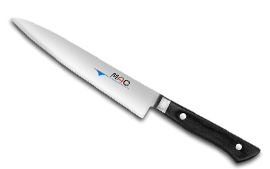
Utility Knives
Sandwiches and small produce
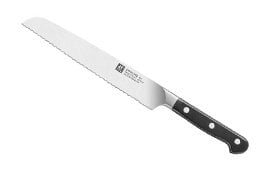
Bread Knives
Crusty loaves and soft bread
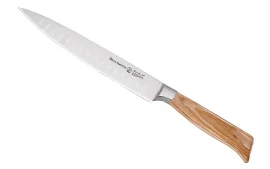
Carving and Slicing
Roasts, ham, and brisket
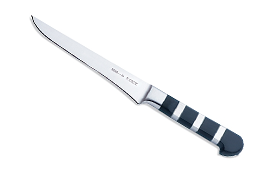
Boning Knives
Removing meat from the bone
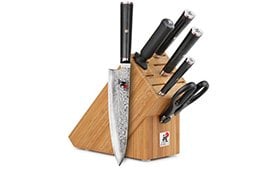
Knife Sets
Outfitting a kitchen or giving a gift
Shop All Shapes
Fillet, nakiri, yanagi, cleavers, steak, oyster, and every other shape we carry
European Makers
Professional and Commercial
Not sure where to start?
What will you cut most often?
What is your budget per knife?
Which edge style do you want?
All Knives
-
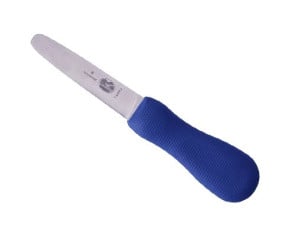
Victorinox 3.5-inch Wide Clam Knife
The Victorinox 3.5-inch wide clam knife has a broad blade for leverage and control, which makes quick work of large cherrystone and chowder clams. Its blue handle sets it apart from oyster knives at a glance.The sharpened edge slips into the seam between the shells, and the width of the blade gives a solid surface to push against as you work it in. It cuts the muscles cleanly so the clam comes free whole.Hold the clam in a towel with the hinge against your palm, set the edge in the seam and squeeze it in with your fingers rather than stabbing. Cut along the top shell, then under the clam.Chill the clams well before opening; cold clams relax and the seam is easier to find. Rinse the knife in fresh water after use and dry it before storing.For small clams, the Victorinox 3.25-inch Narrow Clam Knife fits a tighter seam. The table in the Details compares all Victorinox shucking knives. Learn More$15.00 -

Victorinox 3.25-inch Narrow Clam Knife
The Victorinox narrow clam knife works for all clams but is particularly useful for opening smaller sizes such as littlenecks and Manila clams. The blue handle lets you quickly tell the clam knife apart from your oyster knives.A clam knife has a sharpened edge that slips between the two shells instead of prying at the hinge. The narrow blade opens the clam cleanly without piercing the meat.Hold the clam in a towel with the hinge against your palm, set the edge in the seam opposite the hinge and squeeze the blade in with your fingers. Run the blade along the top shell to cut the muscles, then under the clam.Chill clams well before opening; cold clams relax and open more easily. Rinse the knife in fresh water after use and dry it.For large clams, see the Victorinox 3.5-inch Wide Clam Knife. The table in the Details compares the shucking knives, including the oyster knives. Learn More$13.00 -

Dexter-Russell Sani-Safe 3-inch Slim Clam Knife
Small clams close tightly, and a thick blade has trouble finding the seam. Dexter-Russell’s S127 has a slim 3-inch blade that slips into small shell openings, the knife Dexter recommends for littlenecks and tight hinges, and one it notes is popular with commercial processors. It has enough backbone to cut through the muscle and free the meat cleanly, and the textured handle stays secure through a long session at the raw bar.
Slim or Square Blade?For cherrystones and other large clams, the broader Sani-Safe S119 Square Blade Clam Knife gives more leverage. Learn More$12.99

