
You have no items in your shopping cart.
Knives
How would you like to shop?
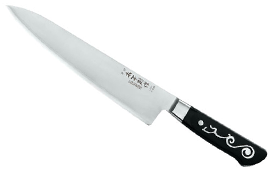
Chef's Knives
Chopping, slicing, and mincing
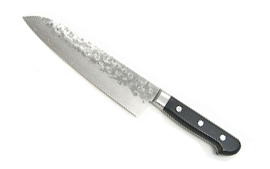
Santoku Knives
Japanese all-purpose blade
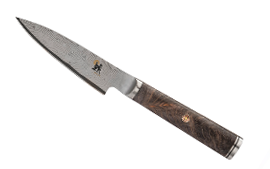
Paring Knives
Peeling and detail work
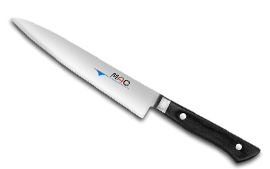
Utility Knives
Sandwiches and small produce
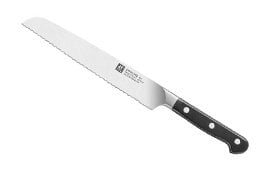
Bread Knives
Crusty loaves and soft bread
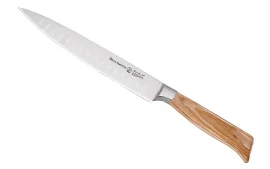
Carving and Slicing
Roasts, ham, and brisket
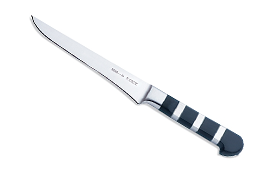
Boning Knives
Removing meat from the bone
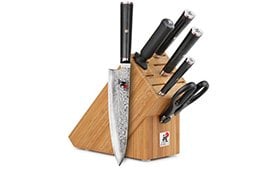
Knife Sets
Outfitting a kitchen or giving a gift
Shop All Shapes
Fillet, nakiri, yanagi, cleavers, steak, oyster, and every other shape we carry
European Makers
Professional and Commercial
Not sure where to start?
What will you cut most often?
What is your budget per knife?
Which edge style do you want?
All Knives
-
Wüsthof Classic Ikon 3-inch Flat Cut Paring Knife
On the Wüsthof Classic Ikon 3-inch flat cut paring knife, the edge runs straight from heel to tip, so the whole edge meets the cutting board at once. That makes it the paring knife for small cuts on the board, such as slicing a single strawberry, cutting cherry tomatoes in half or mincing a shallot in fine, even pieces.In the hand, the flat edge peels and trims as well as a pointed paring knife, and the blunter tip is less likely to catch a finger when you cut toward your thumb. Some cooks call this shape a sheep’s foot or a kudamono knife, the Japanese name for a fruit knife.The contoured Ikon handle fills the palm and leaves room for a pinch grip, and its open heel lets you sharpen the full edge. For a pointed blade, see the Classic Ikon 3.5-inch paring knife; for round fruit, the curved Classic peeling knife. The flat cut blade is also part of the Classic 2-piece Asian set. Our kitchen knife shapes guide compares paring shapes. Learn MoreRegular Price: $114.95
Special Price $91.95
-

Wüsthof Classic Ikon 3.5-inch Paring Knife
For close work in the hand, Wüsthof’s Classic Ikon 3.5-inch paring knife sets a short blade on the contoured Ikon handle that fills the palm. It trims Brussels sprouts, hulls strawberries, deveins shrimp and pares the skin from a kiwi, jobs where the knife moves in your hand and control matters more than reach.Many paring knives are hard to use because their handles are so small, and the Classic Ikon handle gives you plenty of room to grasp the knife comfortably. Classic Ikon is our suggestion for customers who want an upgraded grip. The rounded handle is comfortable when you hold it fully, as you do for paring, and it stays put when you choke up for a pinch grip. With no bolster at the heel, a sharpener reaches the edge right back to the handle.For a longer paring blade, see the Classic 4-inch paring knife; for straight cuts on the board, the Classic Ikon 3-inch flat cut paring knife. The Ikon 3.5-inch paring knife with a blackwood handle is the same knife in natural wood. Our knife shapes guide describes each paring style. Learn More$114.95 -

Wüsthof Classic 2.75-inch Peeling Knife (Bird's Beak)
Many cooks know Wüsthof’s Classic peeling knife as a bird’s beak. Its short blade that curves down to its point. The curve follows the shape of round fruit and vegetables, so it peels an apple, a pear or a turnip in one continuous strip and cuts close to the skin.Classically trained cooks use it for tourné cuts, the seven-sided barrel shapes carved from potatoes and carrots. It also removes the eyes and blemishes from potatoes, cuts citrus zest into fine strips and shapes radish and mushroom garnishes. The 2.75-inch blade keeps your hand close to the work for control.A peeling knife is a specialist; it does not slice on the board as well as a straight paring knife. Pair it with the Classic 3.5-inch paring knife for everyday trimming, or the Classic Ikon 3-inch flat cut paring knife for straight cuts. The table below compares all of Wüsthof’s small blades, and our kitchen knife shapes guide explains the bird’s beak shape. Learn More$94.95 -

Wüsthof Classic 4-inch Paring Knife
Half an inch longer than the standard paring blade, the Wüsthof Classic 4-inch paring knife adds reach, and that extra length lets it work on the cutting board as well as in the hand. It slices limes for drinks, segments an orange and trims the fat cap from a small steak.The pointed tip still handles detail work, such as removing the eyes from a potato or hulling berries, and the blade is long enough to cut a whole apple into wedges without sawing. Its grip holds firm even with damp fingers, and the knife is light enough to use for a long session of prep.Choose the Classic 3.5-inch paring knife if your paring is done in the hand, and this 4-inch if you also want a small knife for quick jobs on the board. For jobs between paring and chef’s knife, see the Classic 4.5-inch utility knife. Our guide to knife shapes explains where paring and utility knives overlap. Learn More$94.95 -

Wüsthof Classic 3.5-inch Paring Knife
A paring knife handles the small, close work a chef’s knife is too large for, and the Wüsthof Classic 3.5-inch is the size we reach for first. Its narrow, pointed blade hulls strawberries, trims the root end of a shallot, deveins shrimp and cuts the core from a halved apple.Much of that work happens in the hand, off the board, so control matters more than length here. The short blade keeps the tip close to your fingers. Its three-rivet handle gives a secure hold when your hands are wet from washing produce. On the board, the tip scores the skin of a duck breast or a loaf of bread before baking.For a slightly longer blade that also slices small fruit on the board, see the Classic 4-inch paring knife. For peeling round fruit and shaping garnishes, the curved Classic peeling knife is the better tool. The Classic Ikon 3.5-inch puts this blade on Ikon’s rounded handle, and our kitchen knife shapes guide compares the paring styles. Learn More$94.95 -

Wüsthof Ikon 3.5-inch Paring Knife, African Blackwood
The Wüsthof Ikon 3.5-inch paring knife puts a forged paring blade on a handle of African blackwood, a dark, dense wood that brings warmth to a small knife used every day. Functionally it matches the Classic Ikon 3.5-inch; the wood handle is the upgrade.Use it to peel and trim in the hand, to hull strawberries, to remove the seeds from a jalapeño or to score the skin of a pork belly. The handle is shaped to fill the palm, comfortable for a full grip and natural in a pinch grip, and because the heel has no bolster, the entire edge can be sharpened.Blackwood takes a little extra care. Wash the knife by hand and dry it right away, then oil the handle with food-grade mineral oil now and then. The same blade on a synthetic handle is the Classic Ikon 3.5-inch paring knife. The Ikon 6-inch utility knife and Ikon 8-inch chef’s knife share this handle. Our knife shapes guide describes paring styles in detail. Learn More$199.95


